deidei
ーJapanese Handcrafted Ceramics

2F / Room No.204
About the Exhibitor
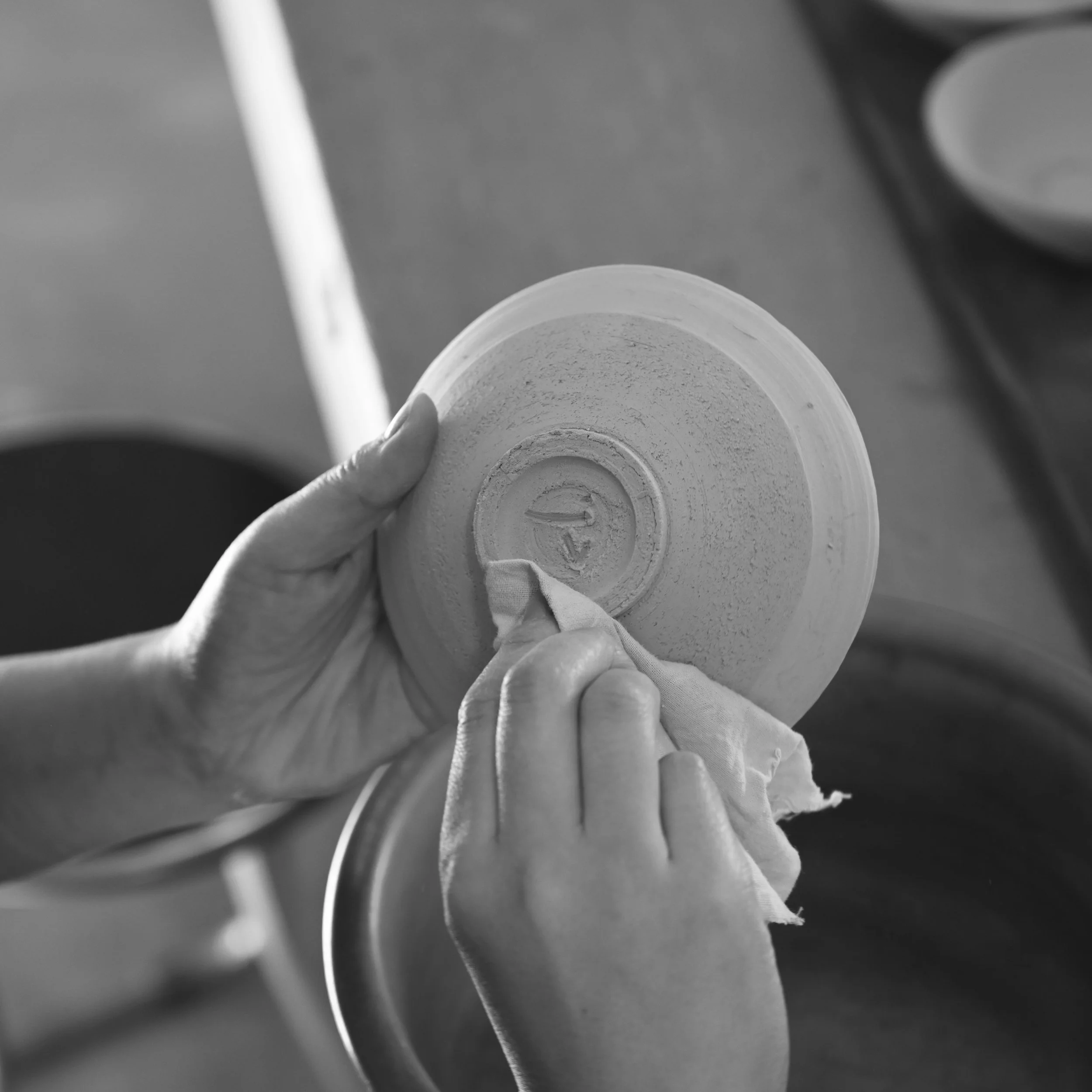
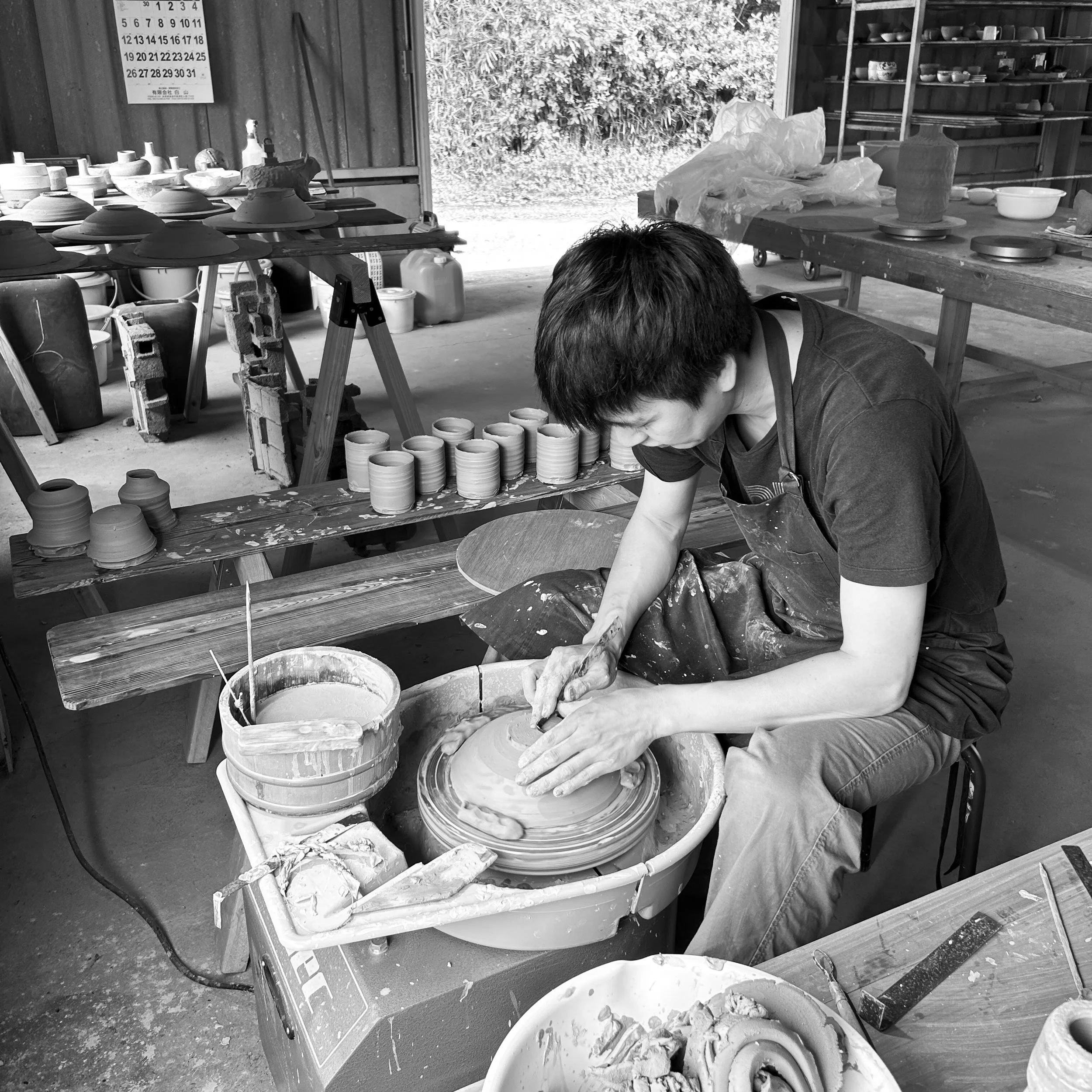
deidei is a small ceramic label based in Mitake, Gifu, in Japan’s historic Mino region—a long-standing centre of ceramic production. Drawing on the spirit of Momoyama-period Mino ceramics, deidei values the individuality of each clay and the subtle transformations that occur through firing. Each piece is carefully shaped to sit naturally at the everyday table, with close attention to rim thickness, mouthfeel, and comfort in hand.
At deidei, firing is not the finish but the beginning. Through daily use, each vessel develops a deeper surface character, where fine cracks, faint stains, and small marks become traces of life, turning time itself into the final layer of expression.
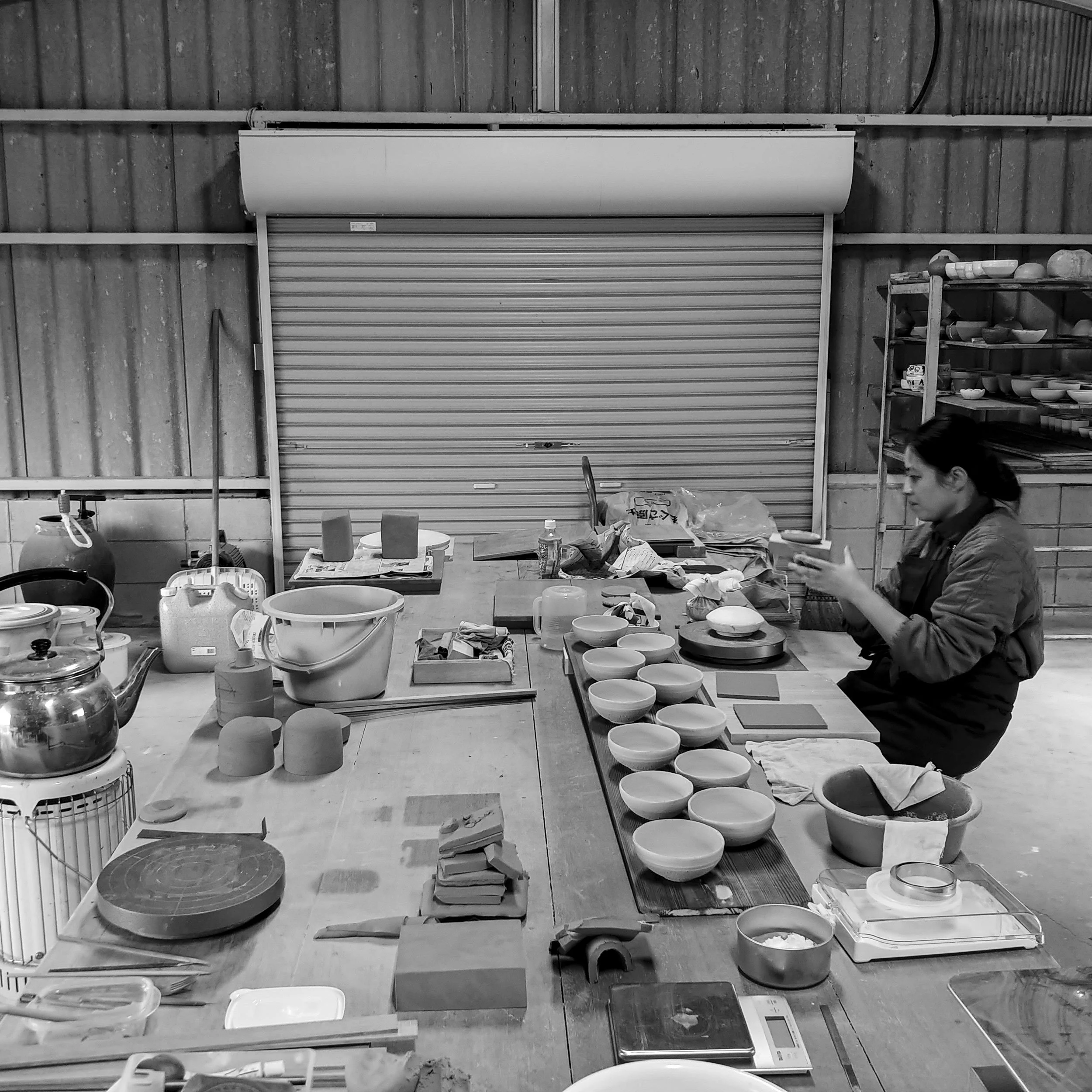
Guided by ceramic artist Toshiro Hori, a disciple of Living National Treasure Kozo Kato, and supported by a team of makers who also maintain their own practices, deidei continues to explore how traditional Mino techniques can enrich the contemporary table. Subtle variations in shape and texture create a gentle rhythm, forming an evolving landscape shaped by touch, use, and time.
About the Products
The clay used for Deidei's vessels is a proprietary blend of Gotomaki and Mogusa clays from Kani and Toki in Gifu Prefecture. Mogusa clay, with its coarse grain, fires to tones ranging from white to rich red and allows colour to settle into fine gaps, giving each piece a surface that deepens beautifully with age.
All clays and glazes are of natural origin, and variations in material, as well as seasonal and temperature changes during firing, ensure that no two pieces are alike. Each vessel is hand-shaped, its small differences adding individuality and charm.
Deidei's work is expressed through key styles such as:
Shino, featuring a feldspar-based glaze with a milky white surface where the red clay body shows through, often revealing tactile wrinkles known as kairagi.
Kiseto, using a pine-ash glaze combined with iron-rich materials to produce tones from greenish to deep yellow, with flowing surfaces and crystal formations unique to each piece.
Oribe, recognised for its vivid green hue achieved through a copper-based glaze. Layering a Kiseto glaze beneath an Oribe glaze creates a natural gradation from yellow to green.
Each piece is considered "unfinished" at the time of purchase. Through daily use, colour seeps into the fine pores of the clay, and the surface texture slowly changes. A vessel that matures alongside its owner—this is the kind of tableware Deidei strives to create: ceramics that live with everyday life.